

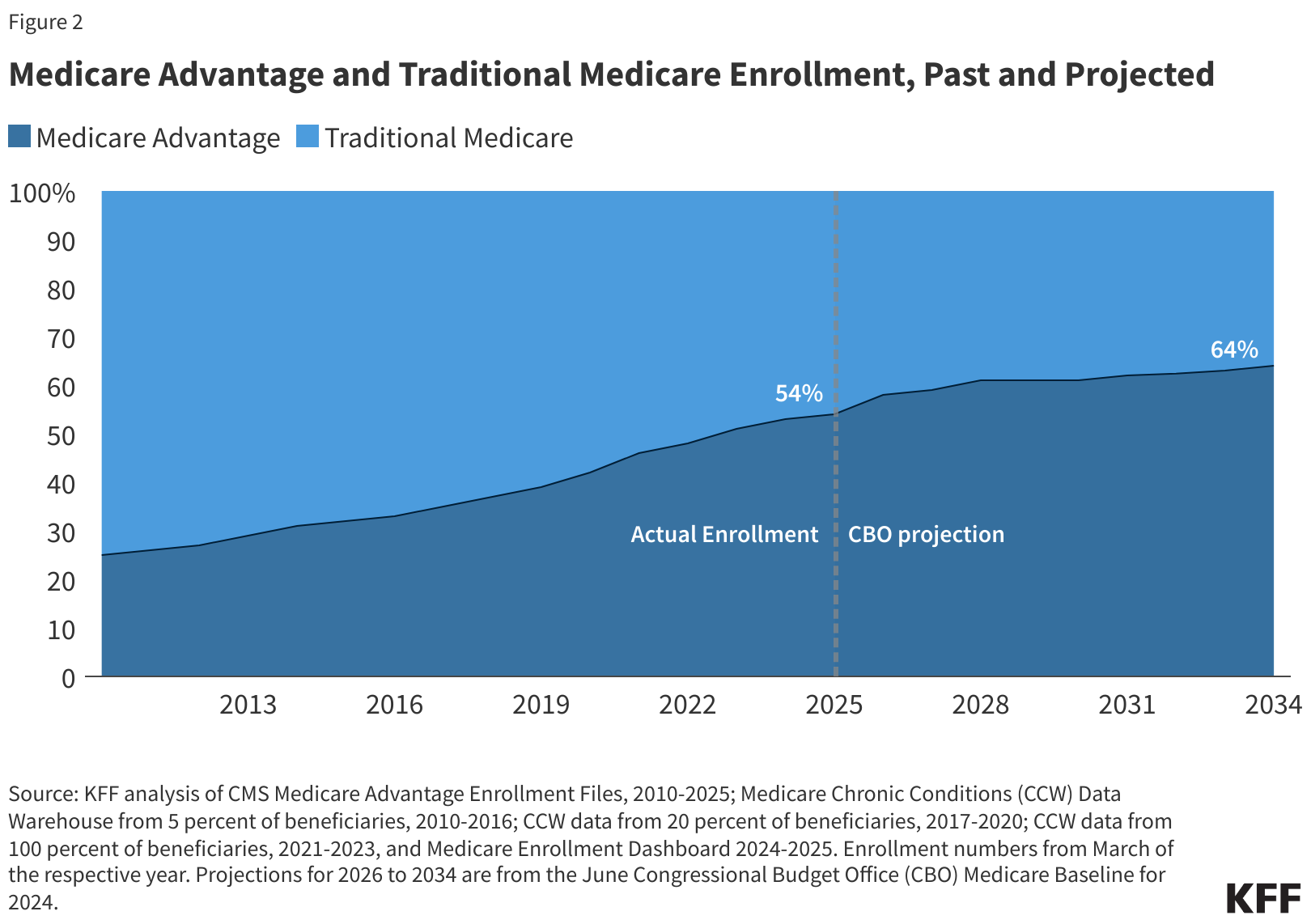
The healthcare landscape in the United States continues to evolve rapidly, and seniors are increasingly looking for flexible, cost-effective coverage options. Among the most discussed topics this year is Medicare Advantage Plans 2026, which are expected to offer expanded benefits, more competitive premiums, and broader provider networks compared to previous years. As healthcare inflation rises, nearly 51% of Medicare beneficiaries are projected to explore Advantage options as an alternative to Original Medicare due to added services such as dental, vision, hearing, and wellness programs. These developments highlight why understanding plan structures is essential for making informed healthcare decisions. comparemedicareadvantageplans.org
One of the most notable trends for 2026 is the continued stabilization of monthly premiums. Industry projections suggest that the average premium for Medicare Advantage plans may remain between $18 and $25 per month, although some plans may still offer $0 premium options depending on location and eligibility. Despite low premiums, out-of-pocket maximum limits are becoming more structured, averaging between $5,500 and $8,300 annually. This shift reflects a growing emphasis on balancing affordability with predictable cost protection for seniors.
Another significant update is the expansion of supplemental benefits. Nearly 72% of Medicare Advantage plans in 2026 are expected to include routine dental care, while approximately 68% will offer vision coverage and around 64% will include hearing services. These enhancements are designed to address gaps in traditional Medicare coverage, especially as preventive care becomes a priority for aging populations. Additionally, wellness-focused benefits such as gym memberships, nutrition counseling, and telehealth access are increasingly becoming standard offerings rather than optional extras.
Network flexibility is also a key focus in 2026 plan designs. Many insurers are expanding their provider networks to include more rural healthcare facilities and specialty care providers. This change is particularly important for beneficiaries living in non-urban areas where access to healthcare has historically been limited. Statistics indicate that over 40% of rural seniors are likely to benefit from improved access under updated Medicare Advantage structures.
Prescription drug coverage continues to be a major component of these plans. With the rising cost of medications, approximately 80% of Medicare Advantage plans are expected to include enhanced Part D integration. This helps reduce medication costs for chronic conditions such as diabetes, hypertension, and cardiovascular diseases. On average, enrollees could save between $200 and $600 annually on prescription expenses depending on their plan tier and medication requirements.
Enrollment trends also reveal shifting behavior among beneficiaries. The annual enrollment period for 2026 is expected to see a 7–10% increase in plan switching activity as individuals reassess their healthcare needs. Factors influencing these decisions include premium adjustments, provider availability, and changes in supplemental benefits. Additionally, digital enrollment tools are making it easier for seniors to compare plans, resulting in more informed and timely decision-making.
Frequently observed questions among beneficiaries include concerns about eligibility, coverage differences, and long-term value. Medicare Advantage plans remain available to individuals eligible for Medicare Part A and Part B, and enrollment flexibility during designated periods allows beneficiaries to adjust their coverage annually. Many seniors are also evaluating whether integrated care coordination features provide better health outcomes compared to traditional Medicare structures.
Another important insight is the growing role of preventive healthcare. Studies suggest that individuals enrolled in Medicare Advantage plans are 15–20% more likely to participate in preventive screenings and annual wellness visits compared to those on Original Medicare. This shift is largely attributed to reduced copayments and increased care management support within Advantage programs.
In conclusion, Medicare Advantage plans for 2026 reflect a more comprehensive and patient-centered approach to senior healthcare. With competitive premiums, expanded benefits, improved prescription coverage, and stronger provider access, these plans continue to reshape how beneficiaries experience healthcare. As the industry advances, individuals are encouraged to carefully evaluate plan details, compare benefits, and consider long-term healthcare needs before enrolling.